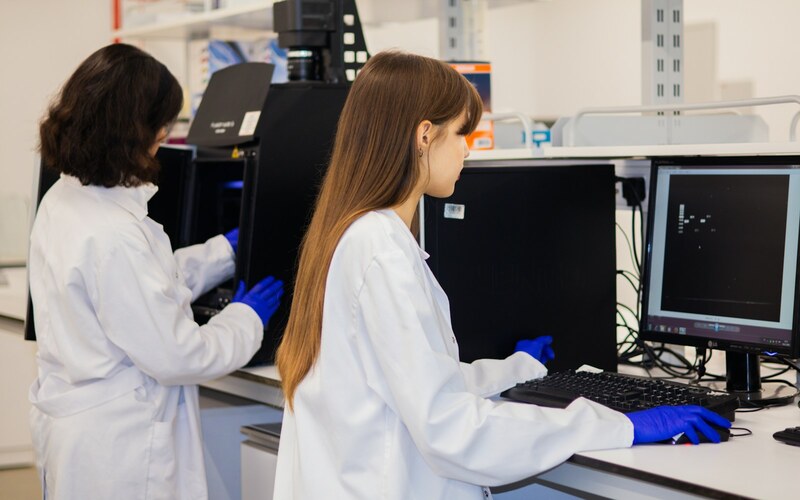
Lab Lowdown for October 23, 2026
This week’s Lab Lowdown covers advances in abuse-potential testing, GxP monitoring, at-home cancer screening, high-throughput sequencing, and biomedical AI.
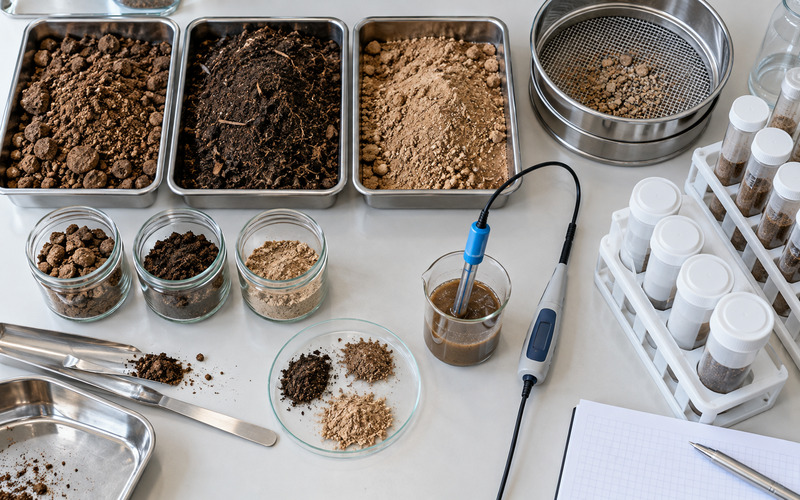
Evaluating Soil Testing Methods and Workflow Tradeoffs
A practical framework for choosing soil sampling, preparation, extraction, digestion, and analytical methods while balancing representativeness, reporting limits, throughput, and quality control.

Teaching Laboratories Explained for Beginners
A beginner-friendly guide to teaching laboratories, including the people, equipment, safety controls, workflows, limitations, and practical habits that turn scientific concepts into supervised laboratory work.
 Instruments & Automation Lab Management & Leadership Laboratory Informatics & Data Methods & Science
Lab Lowdown for October 16, 2026
This week’s laboratory briefing covers AI-connected instruments, genomic analysis, mRNA-production enzymes, agricultural research capacity, and Labcorp’s proposed BioReference acquisition.

Building a Veterinary Drug Residue LC-MS/MS Confirmation Workflow
A practical framework for building a defensible veterinary drug residue LC-MS/MS confirmation workflow, from matrix scope and extraction through identification evidence, carryover controls, and failed-QC investigations.

Designing a Cannabis Potency Testing Calibration and QC Strategy
A practical framework for cannabis potency calibration, reference standards, matrix-aware quality control, failure investigations, and defensible reporting.

Selecting a Mycoplasma Detection Strategy for Cell Culture Laboratories
A practical framework for matching mycoplasma methods to cell-culture risk, matrices, turnaround, and regulatory commitments.
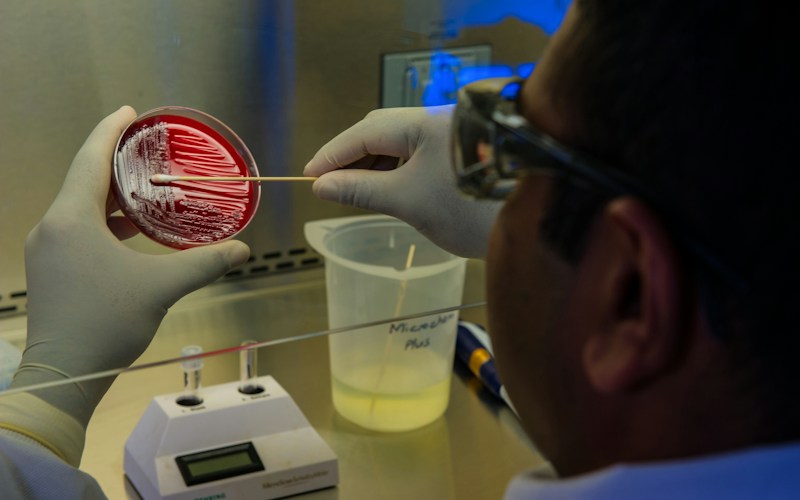
Designing an Environmental Monitoring Plan for Ready-to-Eat Food Facilities
A practical framework for selecting sites, timing samples, choosing methods, and responding to findings in ready-to-eat food facilities.
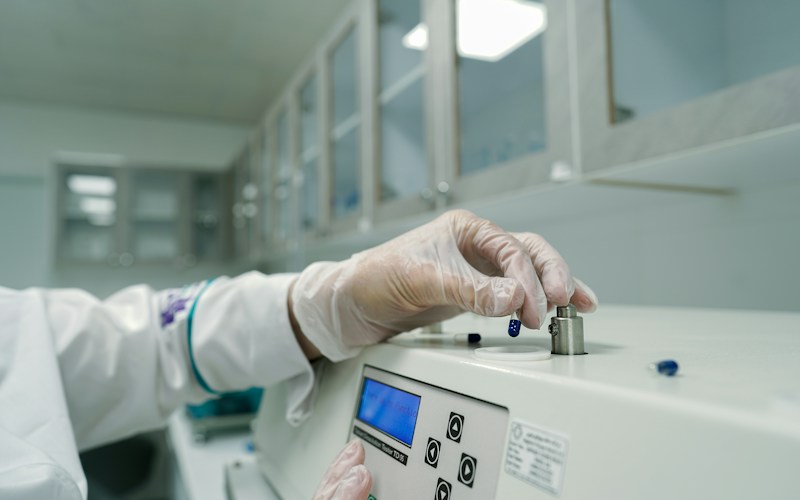
Investigating Out-of-Specification Results in Pharmaceutical QC Laboratories
A practical framework for preserving evidence, choosing additional testing, expanding the investigation, and supporting a defensible pharmaceutical OOS decision.
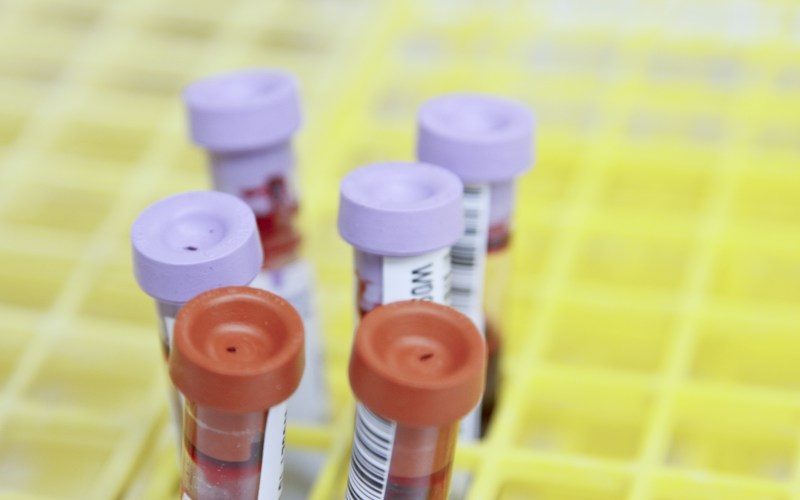
Verifying Reagent Lot Changes in Clinical Laboratories
A practical framework for comparing reagent lots, selecting patient specimens and controls, investigating shifts, and documenting a defensible clinical laboratory release decision.
Independent intelligence for the laboratory world

News · Buyer’s Guides · Marketplace · Community
EXPLORE LABPRESS