
Press release summary
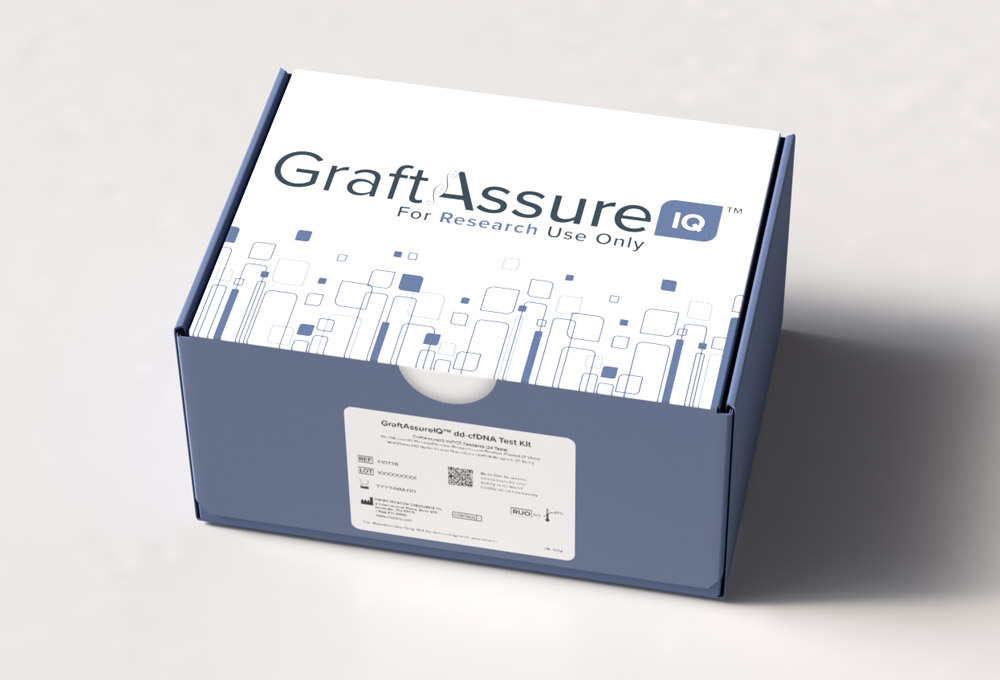
Insight Molecular Diagnostics has enrolled the first patients in a prospective registry study evaluating its GraftAssure molecular testing technology for monitoring kidney-transplant rejection.
The GALACTIC registry is planned to include 5,000 participants at multiple U.S. transplant centers with about three years of follow-up. The company said the first samples from UCLA Medical Center have arrived at its CLIA-certified laboratory in Tennessee.
GraftAssure measures donor-derived cell-free DNA, a biomarker released from a transplanted organ. The company’s Combination Model score uses both the percentage and the absolute concentration of donor-derived DNA. The registry is intended to relate those measurements to clinical outcomes and support the transition from the laboratory-run GraftAssureCore test to the GraftAssureDx kit being developed for use inside transplant centers.
GraftAssureDx is under FDA review and is not authorized for clinical marketing. The announcement describes the start of evidence collection, not completed clinical-performance results.
Why it matters to laboratory readers
Moving a molecular transplant-monitoring test from a central laboratory into hospital laboratories would raise practical questions about specimen handling, digital PCR standardization, calibration, quality controls and result comparability across sites. A large multicenter registry may provide useful evidence on those issues, but laboratories should distinguish the available CLIA laboratory-developed test from the investigational kit and wait for the applicable authorization, labeling and validation data before adopting the latter.
Original source: Insight Molecular Diagnostics, Nov. 20, 2026.



Leave a Reply